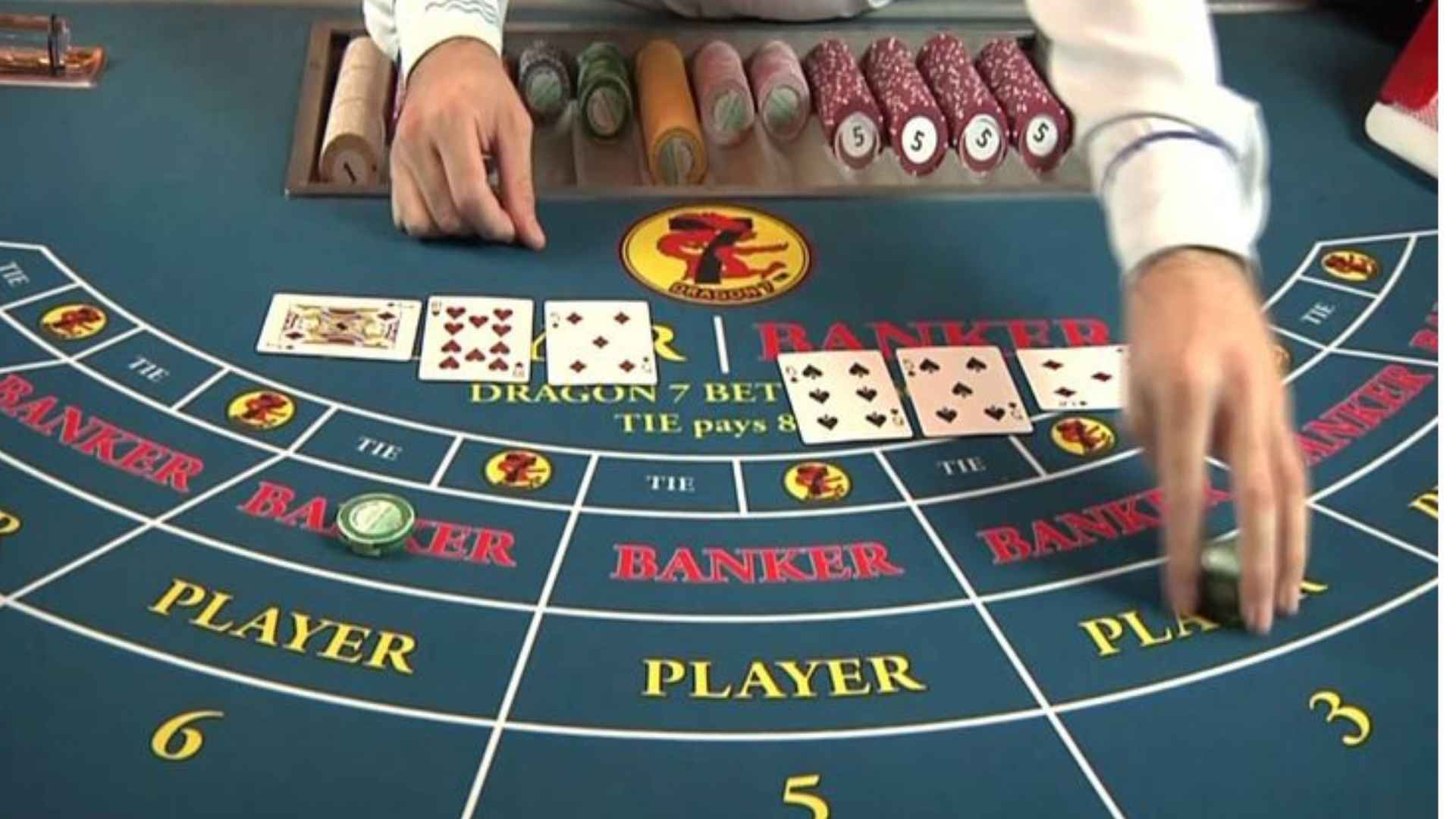
While many people view card games as simple pastimes governed by chance, specific solitaire variants turn every card transfer into a deliberate mental calculation. Players who move beyond casual flipping soon discover that success depends on analyzing board states and managing hidden risks. Exploring solitaire games that reward careful decision making reveals how structured planning transforms a basic deck of cards into a deeply satisfying intellectual challenge.
The Strategic Mindset in Modern Card Play
Achieving consistent victories in complex solitaire games requires treating the game board as an evolving puzzle rather than a random draw. Evaluating column mobility before executing a move ensures that valuable tableau spaces remain open for future sequences. Every decision creates a chain reaction that either expands your tactical options or restricts future progress.
Experienced strategists often emphasize the importance of uncovering face-down cards as early in the match as possible. Accessing hidden information allows players to calculate sequence placements with far greater precision and avoid costly bottlenecks. Choosing between competing moves requires balancing immediate progress against long-term board flexibility.
Evaluating Risk and Reward Across Varied Formats
Different solitaire formats present unique structural obstacles that force players to adapt their overall strategy. In open-style layouts where all cards are visible from the start, success relies on pure calculation and foresight rather than dealing with unexpected variables. Navigating these fully transparent games rewards players who can visualize multi-step card transfers before taking action.
Conversely, formats featuring large reserve decks demand disciplined resource management and careful pacing. Rushing through stockpile cards without a clear objective frequently traps critical building blocks under higher ranks. Enthusiasts seeking reliable gaming options often check the boss29 link to discover accessible digital platforms for strategic play.
Building Discipline Through Daily Mental Challenges
Engaging regularly with thought-provoking solitaire variants helps cultivate patient decision-making habits that extend beyond the game board. When faced with a restricted tableau, taking time to weigh every potential move reduces errors and boosts overall win rates. Over time, players develop a sharper eye for pattern recognition and spatial organization.
Learning from unwinnable hands is another fundamental step toward mastering high-decision solitaire formats. Analyzing critical turning points reveals subtle strategic missteps, such as prematurely filling an empty tableau slot with the wrong King. Accepting these learning opportunities encourages a disciplined approach that turns challenging board layouts into rewarding victories.
Balancing Immediate Opportunity with Long-Term Goals
A common pitfall for new players is executing every available match the moment it appears on the board. Transferring cards to foundation piles too quickly can eliminate essential landing spots for incoming tableau cards of opposing colors. Maintaining control over the game layout requires holding certain cards in reserve until key sequences are established.
Ultimately, the most engaging solitaire games are those that make every choice feel meaningful and impactful. By prioritizing tableau mobility, managing reserve piles wisely, and exercising patience, players can systematically solve complex card arrangements. Embracing a measured, analytical approach turns a simple game of solitaire into an ongoing exercise in effective problem-solving.